Executive Summary & Key Takeaways
- Definition: Live commerce (also called live shopping) combines real-time streaming video with direct, in-app checkout functionality.
- UK Market Growth: Projected to grow from £231M (2024) to £910M by 2030 (Source: Industry Analysis).
- Conversion Power: Achieves conversion rates of 9%–30% compared to traditional e-commerce baselines of 2%–4%.
- Primary Channels: TikTok Shop UK, Amazon Live, YouTube Shopping, and eBay Live.
- Key Requirement: Success demands a structured approach—platform setup, trained presenters, and consistent scheduling.
If live commerce has come up in your strategy meetings recently, it is not just hype. Leading UK beauty, fashion, and wellness brands are building consistent revenue through shoppable video streams—and the performance metrics demand attention.
However, much of the available commentary remains overly theoretical, focused exclusively on Asian markets, or lacks operational specificity. This guide provides UK brand directors and e-commerce leaders with clear answers on live shopping strategy, platform costs, execution mechanics, and expected ROI.
What Exactly Is Live Commerce?
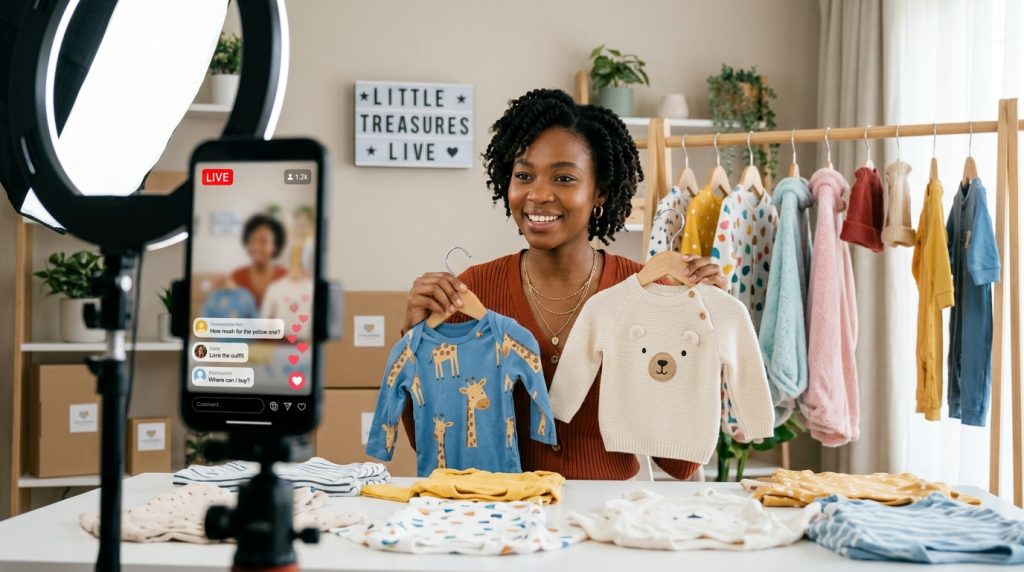
At its core, live commerce (also called live shopping or shoppable streaming) is the integration of real-time video broadcasting with instant, embedded e-commerce checkout. Viewers watch a presenter show product demonstrations, ask questions via live chat, and complete purchases without leaving the stream environment.
The primary advantage is friction reduction. When a customer asks whether a skincare serum suits sensitive skin, the host addresses the query live. The customer purchases immediately within the interface—eliminating redirects and shopping cart abandonment.
Top Live Shopping Platforms in the UK
UK brands currently operate across four core channels, each serving distinct customer demographics and purchase behaviors:
1. TikTok Shop UK
The leading driver of impulse live commerce sales in the UK. Featuring native checkout, strong algorithmic discovery, and robust affiliate incentives, it is highly effective for beauty, fashion, and trend-driven products.
2. Amazon Live
Ideal for established Amazon sellers. Viewers on Amazon Live already possess high purchase intent, making stream conversions steady for home goods, tech accessories, and wellness items.
3. YouTube Shopping
Suited for long-form, highly informative product deep-dives and tutorials. YouTube offers integrated product cards and works best for brands with established content audiences.
4. eBay Live
Gaining strong adoption in targeted niches, including luxury fashion resale, collectibles, and exclusive product drops.
Performance Metrics: Live Commerce vs. Standard E-Commerce
The metrics below illustrate why UK brand teams are allocating dedicated budget to live channels:
| Performance Metric | Standard E-Commerce | Live Commerce (UK Average) |
|---|---|---|
| Average Conversion Rate | 2% – 4% | 9% – 30% |
| Average Order Value (AOV) | Baseline | +20% to +40% increase |
| UK Market Value (2024) | — | £231 Million |
| Projected UK Value (2030) | — | £910 Million |
Case in Point: UK cosmetics brand P Louise achieved £1.59 million in revenue during a single 12-hour TikTok Live event. This level of velocity occurs when targeted traffic meets zero-friction native checkout.
The Operational Reality: What It Actually Takes
A high-converting live stream requires clear operational planning. Successful execution relies on five essential components:
- Platform Architecture: Proper setup of store integrations, SKU syncing, native listings, and affiliate management.
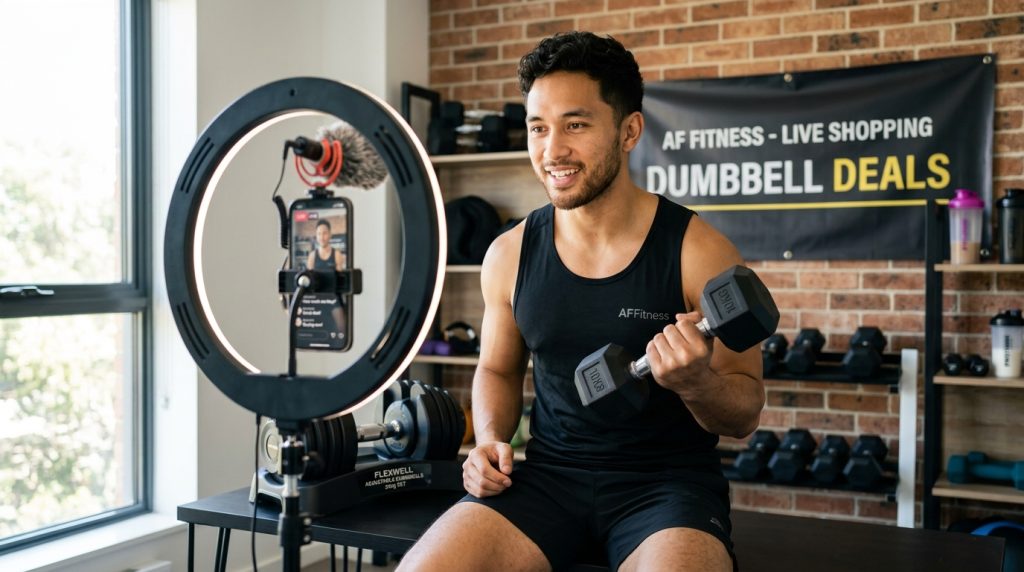
- On-Air Talent: Trained hosts capable of maintaining high engagement, demonstrating key product benefits, and driving sales call-to-actions.
- Merchandising Strategy: Designing limited-time bundles, live-only discounts, and structured product runs to maintain urgency.
- Pre-Stream Promotion: Driving traffic through paid ads, email campaigns, and short-form video teasers prior to the broadcast.
- Post-Stream Analytics: Evaluating peak concurrent viewership (PCU), drop-off points, CTR, and conversion rates to optimise future sessions.
The Livance 3-Pillar Framework
We structure every client engagement around three core pillars designed to guarantee sustainable, scalable growth:
- Pillar 1: Strategy & Tech Stack. Setting up the storefront, product listings, checkout integration, and affiliate tracking. Without a solid tech foundation, your streams will fail to convert.
- Pillar 2: Talent & Execution. Sourcing and training presenters who can sustain energy, demonstrate product effectively, and handle live Q&A for extended periods.
- Pillar 3: Analysis & Scaling. Reviewing data to understand which products convert best, optimizing pricing mechanics (flash sales, bundles), and scaling from a pilot program to a revenue-driving channel.
Our expectation for most UK brands: Month one is investment. By month three, consistent return on investment (ROI) becomes visible for brands with genuine product-market fit.
Which Product Categories Perform Best?
Live shopping excels when a product benefits from real-time demonstration rather than static photos:
- Beauty & Skincare: Live application shows textures, coverage, and immediate results.
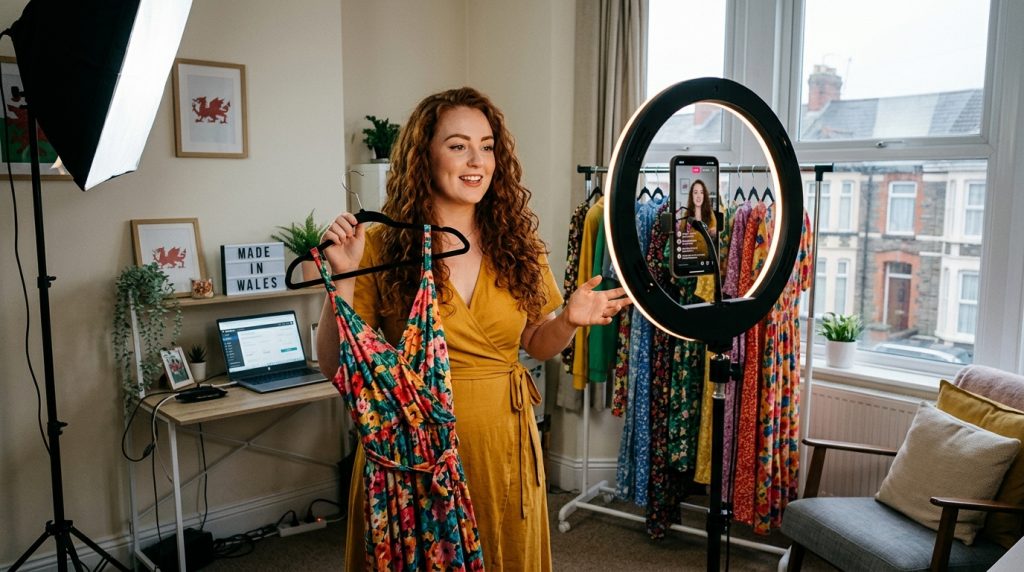
- Fashion & Apparel: Real-time sizing, fit demonstrations, and styling advice eliminate customer hesitation.
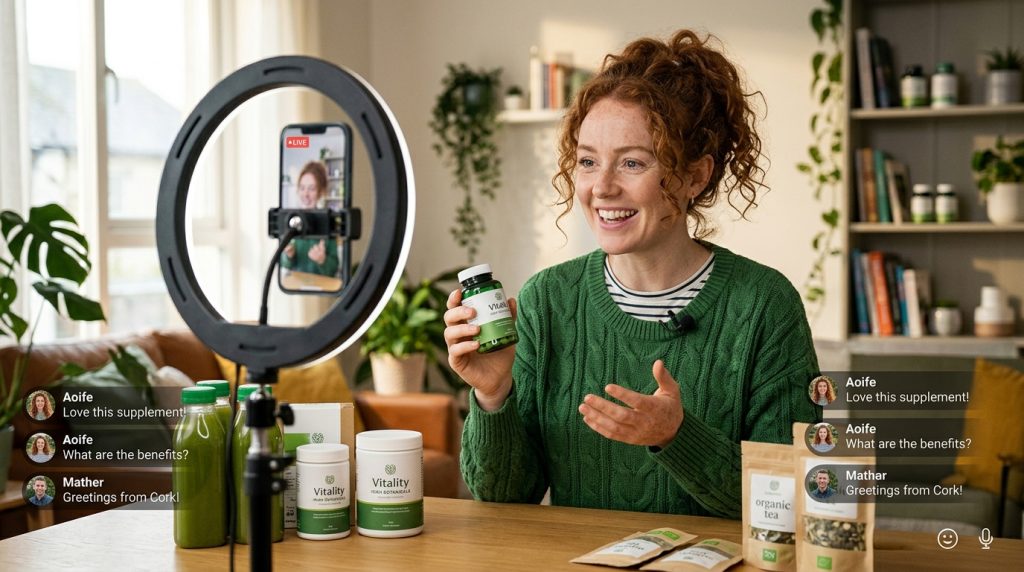
- Health & Wellness: Expert Q&A sessions build customer trust and resolve technical queries on the spot.
- Food & Consumer Goods: Storytelling and preparation demos spark impulse buying.
Frequently Asked Questions
How much does it cost to launch live commerce in the UK?
Costs vary depending on whether production is handled in-house or through an agency. A professional studio setup, native platform configuration, and experienced hosting talent typically require an initial investment, with revenue consistency developing over a 60 to 90-day period.
Do brands need a massive social media following to start?
No. Platforms like TikTok Shop rely primarily on algorithmic distribution rather than existing follower counts, allowing strategic live broadcasts to reach targeted audiences immediately.
Is live commerce legal in the UK?
Yes. Live commerce operates under standard UK ecommerce and consumer protection regulations. Brands are responsible for ensuring their marketing claims are compliant with the ASA and CAP codes.
Ready to Scale Your Live Commerce Revenue?
Livance Studio delivers fully managed live commerce operations for ambitious UK brands—from platform setup and studio production to host sourcing and growth strategy. Let’s explore what’s possible for your brand.